
Oven Not Heating? Start With Gas or Electric
The parts that fail are different for gas, electric and dual-fuel ovens. A glowing igniter is not proof that it works.
By Daniil, owner and lead technician · Updated · Rated on Google from 109 reviews
Smell gas? Don’t operate any switches. Leave the house and call PG&E or 911 from outside; call a technician after the utility has made it safe.
What the symptom points to
| What you see | Likely cause |
|---|---|
| Gas oven: igniter glows, no flame | Weak igniter (not drawing enough current to open the valve), or the gas valve |
| Gas oven: no glow at all | Igniter open, or no power to it from the control |
| Electric oven: no heat on Bake, Broil works (or the reverse) | The bake (or broil) element, or its relay on the control board |
| Electric oven: no heat at all, display works | Control relays, a thermal cut-out on some models, wiring |
| Heats, but runs cold or hot | Temperature sensor, control board; the code narrows the circuit |
| Takes forever to preheat | One element not working (many ovens use both elements to preheat), a weak igniter, a failing convection fan |
| Convection fan not running | Fan motor, relay, the convection element on some models |
| Stopped heating right after a self-clean cycle | The heat of self-clean can finish off a weak element, igniter or a thermal cut-out; have it tested |
Checks you can do
- Power and gas. Is the breaker on (electric ovens use a 240-volt double breaker; half can trip)? Is the gas supply valve open and are the cooktop burners lighting (gas)?
- Settings. Make sure the oven isn’t in a Sabbath, demo or delay-start mode, and that the clock is set on models that won’t start without it.
- Look at the bake element (electric, oven cool and off): a break, a blister or a burned spot means it has failed. Many newer ovens hide the bake element under the floor, so you may not be able to see it.
- Watch the igniter (gas): if it glows for a minute or more without a flame and you smell no gas, the igniter is the usual suspect. If you smell gas without ignition, stop and follow the gas-safety advice above.
- Write down any code and what the oven was doing when it appeared.
Why a glowing igniter can still be the bad part
Most gas ovens use a hot-surface igniter wired in series with the oven’s safety valve. The valve only opens when enough current flows through the igniter. As an igniter ages, its resistance rises: it still glows orange, but the current falls below what the valve needs, so the gas never flows. That is why the igniter is measured with a meter, not judged by eye, and why it is the most common cause of a gas oven that won’t heat.
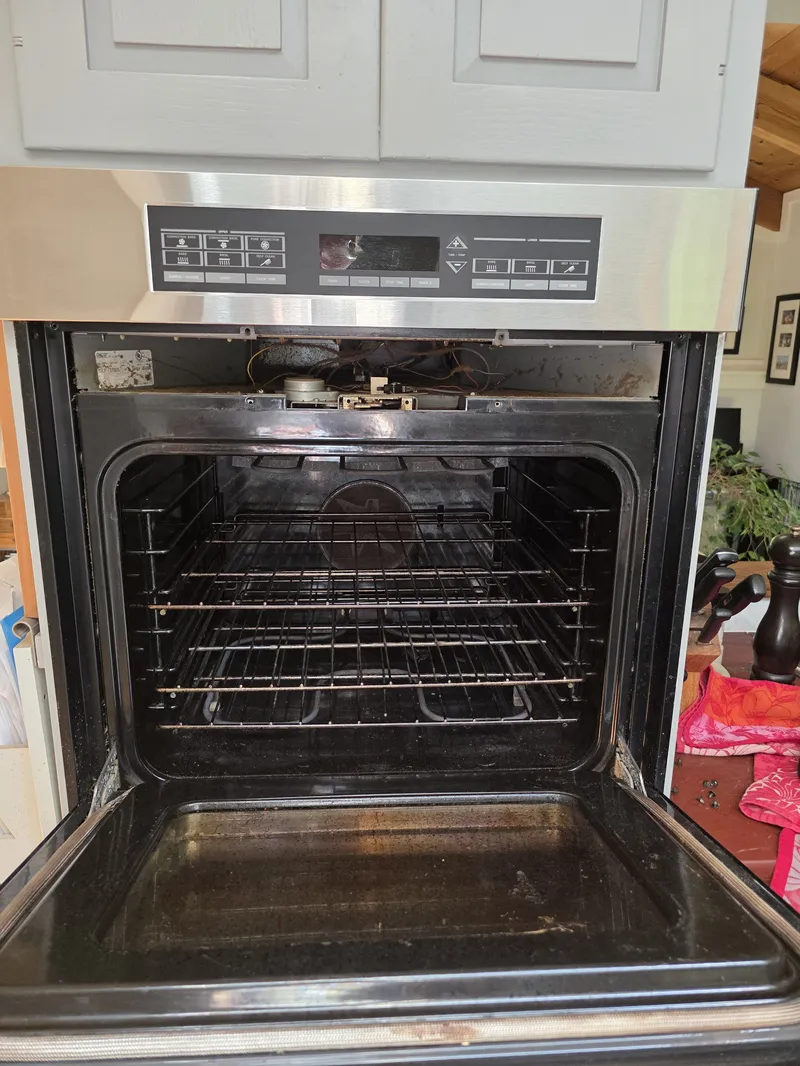
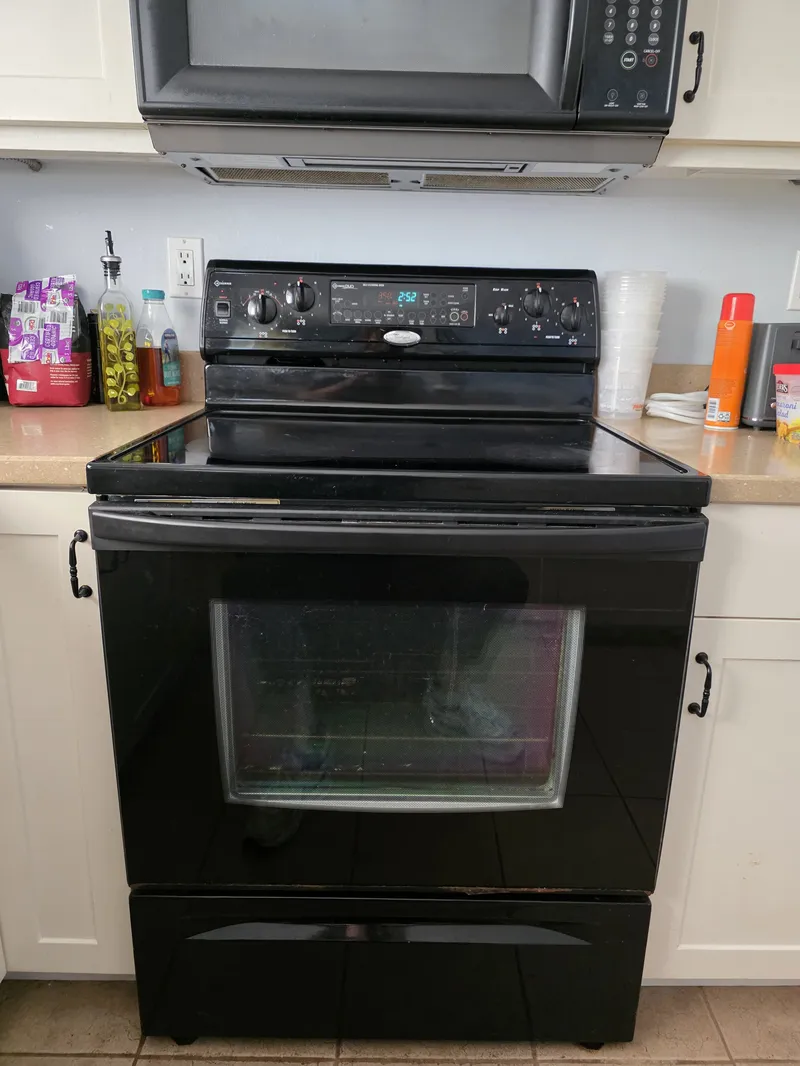

Professional-style ranges
Wolf, Viking, Thermador, Dacor and Bertazzoni ranges share the same basic parts but differ in access and parts lead time. We diagnose precisely before ordering, because many parts are special-order. On dual-fuel models (gas burners, electric oven) we test the elements and relays; on all-gas models the igniter and gas valve. Brand pages: Wolf, Viking, Thermador, Dacor, Bertazzoni.
Repair or replace?
Elements, igniters, sensors and switches are routine. A failed control board on an older standard range can cost more than it is worth, and we will say so; one customer wrote that being told the odds were slim saved her money.
Oven repair in Marin County and San Francisco
UniFix repairs gas, electric and dual-fuel ovens, ranges and wall ovens across Marin County from San Rafael and in San Francisco from our Marina location. Diagnostic visits start at $85; the fee varies by appliance type, brand, location and appointment requirements, is confirmed before scheduling, and is applied toward the repair if you go ahead. Repairs carry a written warranty on parts and labor; the term is stated on your invoice. More on oven, stove and range repair; for cooktop burners, see burner keeps clicking.
Call Marin (415) 494-7882 or San Francisco (415) 683-0403. Tell us gas, electric or dual-fuel, the brand, and the model number (usually on the frame behind the oven door or the storage drawer).
Common questions
My gas oven igniter glows but the oven won’t heat. Is it the igniter?
Why does my electric oven bake but not broil (or the reverse)?
My oven stopped working after a self-clean. Why?
Do you repair professional-style ranges?
Request a visit
Prefer to talk? Call (415) 494-7882 (San Francisco: (415) 683-0403). UniFix Appliance Repair diagnostic visits start at $85. The diagnostic fee varies by appliance type, brand, location, and appointment requirements. We confirm the fee before scheduling. If you approve the repair, the diagnostic fee is applied toward it.